
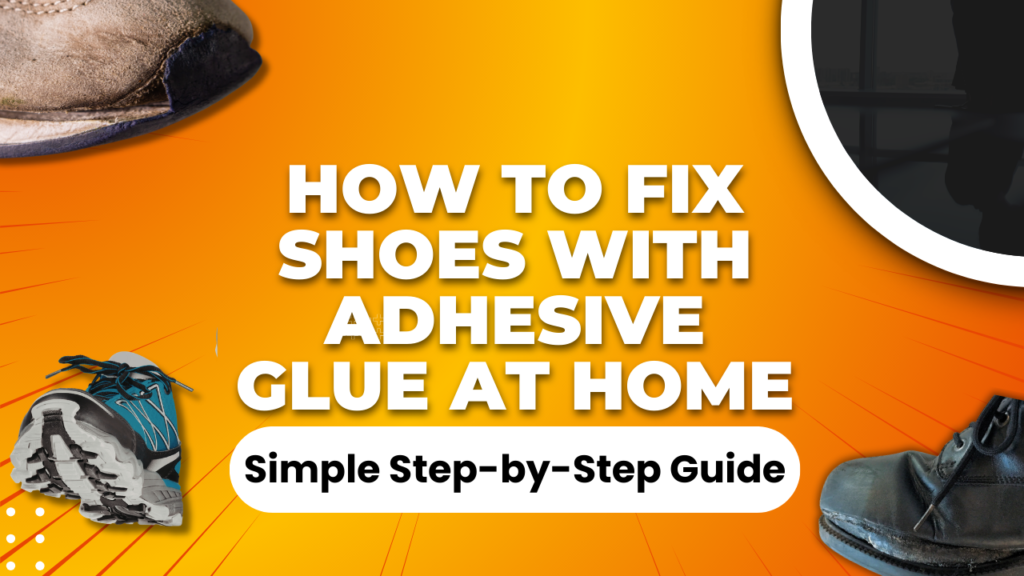
How to Fix Shoes with Adhesive Glue at Home
Shoes go through a lot of wear and tear every day. After months of use, it’s common for shoe soles to loosen, edges to separate, or small parts to break. Many people immediately think about replacing their shoes, but in many cases, a simple repair can make them usable again.
Learning how to fix shoes with adhesive glue is a practical skill that can help extend the life of your footwear and save money.
With the right adhesive and a few simple steps, you can repair many common shoe problems at home.
Common Shoe Problems That Can Be Repaired
Many types of shoe damage can be fixed easily with adhesive glue, including:
-
loose or separated shoe soles
-
small cracks in rubber parts
-
separated leather edges
-
detached decorative elements
-
broken seams around the shoe edge
If the damage is not too severe, adhesive repair can restore the shoe’s strength and usability.
Choosing the Right Adhesive for Shoe Repair
The success of any shoe repair depends largely on the type of adhesive used.
A good shoe repair glue should:
-
create a strong and flexible bond
-
work on multiple materials like rubber, leather, and fabric
-
dry clean without leaving visible marks
-
hold firmly even with regular use
Multi-surface adhesives are often preferred because shoes are made from different materials such as rubber soles, leather uppers, fabric sections, and plastic parts.
Adhesives like Spizer, designed for strong multi-material bonding, can be useful for these kinds of everyday repairs.
Step-by-Step Guide to Fixing Shoes
Repairing shoes with adhesive glue is easier than many people think. Follow these steps for the best results.
1. Clean the Damaged Area
Before applying glue, clean the surfaces carefully. Remove dust, dirt, and small particles from the shoe.
A clean surface helps the adhesive bond more effectively.
2. Apply the Adhesive
Apply a thin and even layer of adhesive to the damaged area. If the sole has separated, apply glue to both surfaces that need to be joined.
Avoid using too much glue, as excess adhesive can weaken the bond.
3. Press the Parts Together
Carefully align the separated parts of the shoe and press them together firmly.
Hold the pieces in place for a few moments to allow the adhesive to start bonding.
4. Allow Proper Drying Time
Let the glue dry completely before wearing the shoes. This step is important because the bond becomes stronger as the adhesive cures.
For best results, avoid putting pressure on the repaired area until the glue has fully set.
Tips for Stronger Shoe Repairs
To make your repair last longer, keep these tips in mind:
Use a thin layer of glue
Too much adhesive can reduce bonding strength.
Apply steady pressure
Pressing the pieces together helps create a stronger hold.
Allow enough drying time
Patience during drying improves durability.
These small steps can make a big difference in the final result.
When Shoe Repair Works Best
Adhesive repair works well for minor to moderate damage. It is ideal for fixing:
-
loose soles
-
separated edges
-
decorative parts
-
small cracks
However, if a shoe is severely damaged or torn, professional repair may be required.
Final Thoughts
Knowing how to fix shoes with adhesive glue is a simple but useful skill. Instead of discarding shoes because of minor damage, you can repair them quickly and extend their lifespan.
By cleaning the surfaces, applying the right adhesive, and allowing proper drying time, many shoe problems can be solved at home.
With the right approach, adhesive repair can help keep your favorite shoes comfortable, functional, and ready for daily use.


