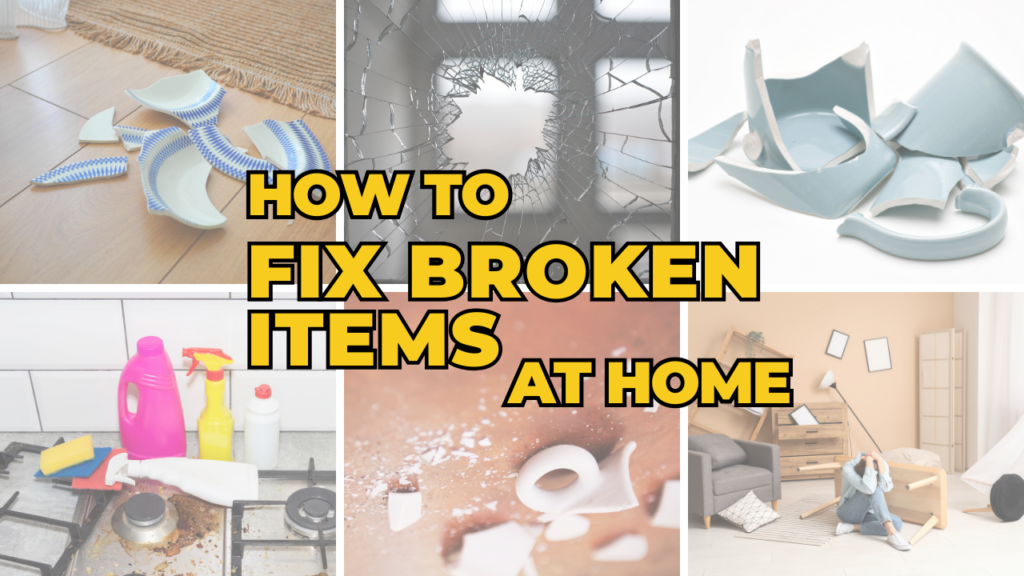
We’ve all experienced that sinking feeling when a cherished item hits the floor. Whether it’s a family heirloom or a functional piece of furniture, the instinct is often to throw it away. However, learning how to fix broken items at home is not only budget-friendly but also incredibly satisfying.
With the right technique and a high-quality adhesive like Spizer, you can restore almost anything to its former glory.
1. Why You Should Fix Broken Items at Home Instead of Replacing Them
In a world of “disposable” products, choosing to repair is a sustainable move. Most household accidents—like a snapped plastic handle or a chipped picture frame—don’t require a professional. By using a permanent bonding solution, you ensure the item stays fixed for years, not just days.
2. The Best Way to Fix Broken Ceramic and Glass
Ceramics are porous, which means they love to soak up liquid. To get a perfect bond:
-
Dry Fit First: Always align the pieces without glue first to ensure you have the right “puzzle” fit.
-
Apply Sparingly: A common mistake when you fix broken items at home is using too much glue. A thin, even bead of Spizer is all you need for a seamless look.
3. How to Fix Wooden Furniture and Decor
Wood expands and contracts with the weather in Pakistan. If you have a wobbly chair leg or a loose drawer front, you need an adhesive that can handle tension.
-
The Hack: Sand the surface slightly before applying the glue. This creates “teeth” for the adhesive to grab onto, ensuring a rock-solid repair.
4. Repairing Plastic and Styrofoam Safely
Many household glues “melt” or damage delicate materials like Styrofoam. Because Spizer is Pakistan’s 1st Styrofoam-safe glue, it is the safest choice for school projects and home electronics. Whether it’s a remote control casing or a model airplane, you can bond it without worrying about chemical corrosion.
5. Final Checklist for a Permanent Bond
To ensure your DIY home repairs actually last, follow these three rules:
-
Clean the Surface: Dust and grease are the enemies of a strong bond.
-
Apply Pressure: Use a clamp or a heavy object to hold the pieces together while the glue cures.
-
Be Patient: Even if the glue feels dry, wait 24 hours for a full structural cure.
Ready to Restore Your Home?
Don’t let a “break” be the end of the story. From the kitchen to the bedroom, you have the power to fix broken items at home with ease.
Follow us on social media for more live demonstrations from the Spizer Craft Lab, and share your best “Saved from the Bin” photos with our community!